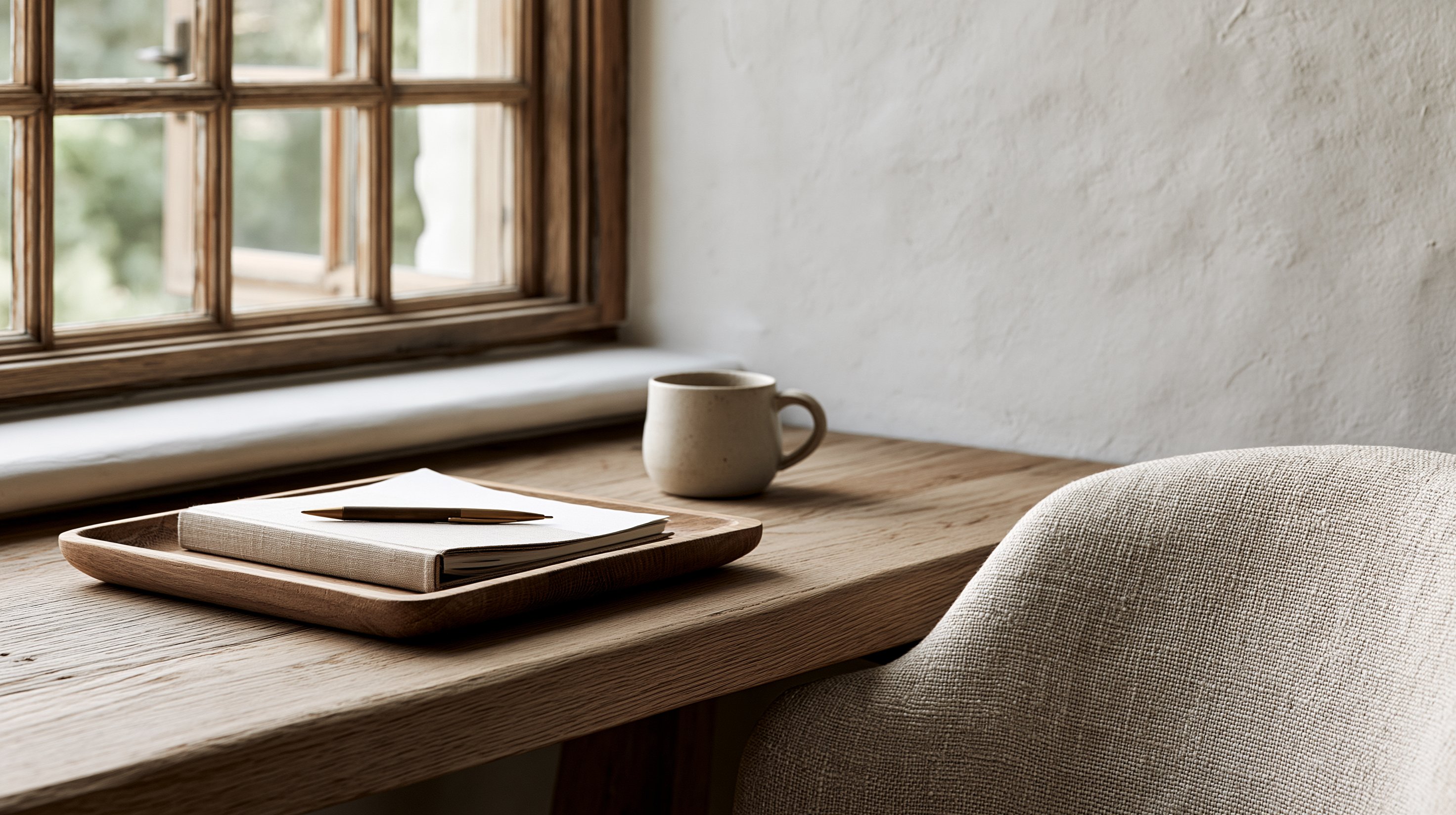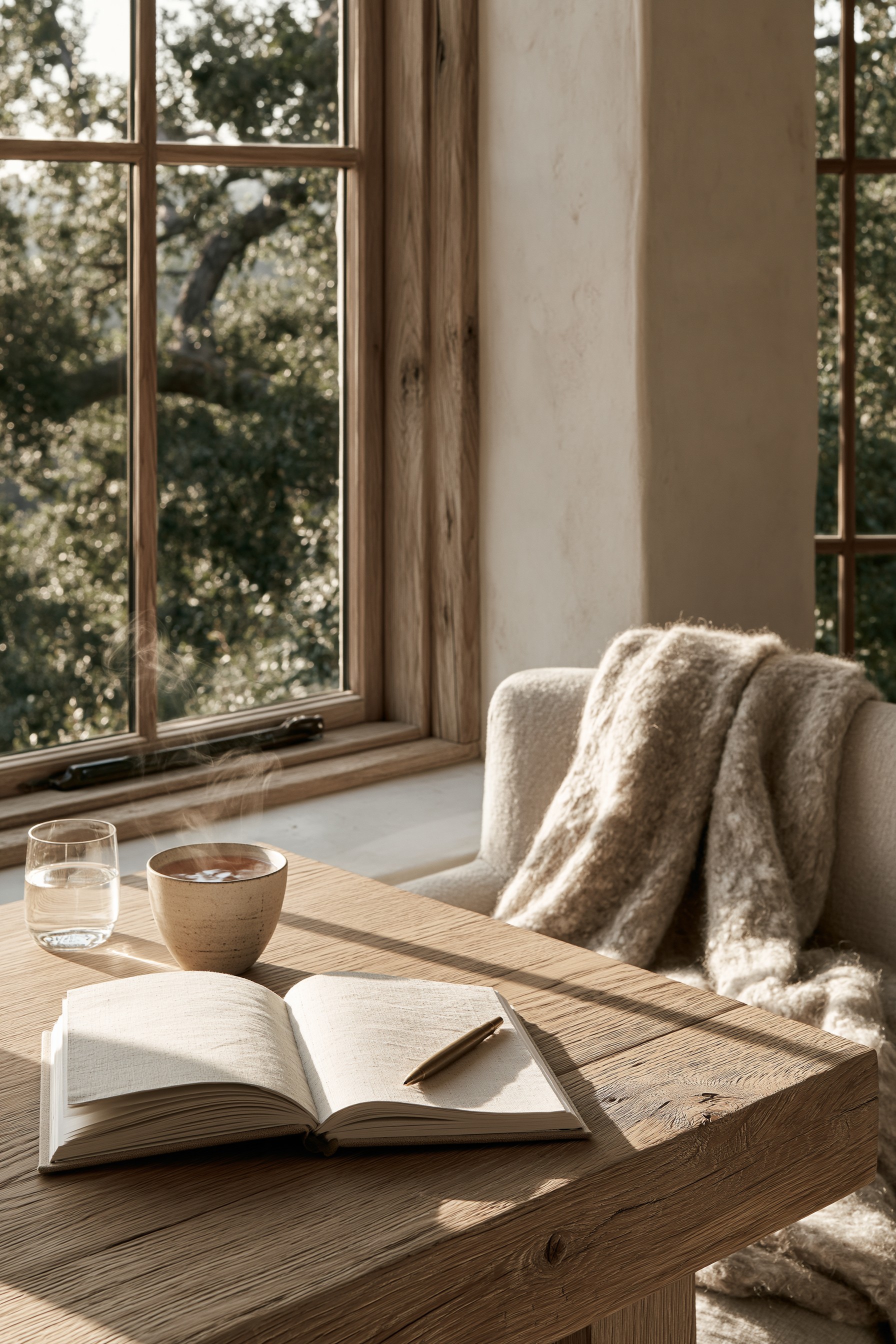


The light comes into the room at a lower angle now than it did in July, and it lands further across the floor before the afternoon is over. A late summer home reset works with that change rather than waiting for the first cold week to force it. Nothing here asks you to put summer away. It asks you to let the room start leaning.
The Direction Late Summer Is Taking
The shift this year is quieter than the usual early fall home decor ideas suggest. Less about swapping a room into a new palette, more about weight: heavier textiles where you touch them, lower light after seven, and one or two things taken out of rotation rather than added.
Part of that is practical. The days are still warm, so anything you do now has to hold for six more weeks before it makes sense. That constraint rules out the dramatic version and leaves the changes that were worth making anyway.
Why this works: a house that turns gradually with the season never needs a reset weekend. Habits attach to cues, and a cue built in August, while you are unhurried, is already familiar by the time the evenings close in. The alternative is doing all of it in one anxious afternoon in October, which is how a home ends up feeling staged rather than settled.
The Look in Layers
Foundation
- Warm mid-tone wood and unglazed stone. The surfaces stay the same all year. What changes is how much texture you let come forward, and how much shine recedes.
- A ground of cream, oat and clay. Three tones is enough. A pared-back base is what lets one deeper accent read as a seasonal shift rather than a new scheme.
Layering
- Weight you can feel. Brushed wool, a heavier linen, a slubby weave that holds its folds instead of sliding off the chair.
- Fewer, larger pieces. One substantial textile does more than three light ones, and leaves the room grounded rather than busy.
Atmosphere
- Low, warm light after seven. Two small sources at seated height rather than one overhead. The room reads as evening before the sky agrees.
- Dry, matte, unhurried. Seed heads, a bare branch, grasses gone papery. Nothing at peak, which is the honest register of the season.
Simple Late Summer Styling Ideas
Move the lamps before you move anything else. Turn the overhead fixture off at seven and let two low lamps carry the room. It costs nothing, and it is the change people notice in a space without being able to name it.
Trade the lightest textile for the heaviest one you own. One throw, or one cushion cover, a shade deeper than what is there now. The eye reads weight before it reads colour, so a single heavier piece shifts a room more than a full palette change would.
Let one arrangement go dry on purpose. Stop replacing the stems and let what is in the vase turn papery. Seed heads and grasses are the material of late summer, and they hold for months rather than days.
Take one thing out of rotation. The rush mat, the lightest cushions, the summer table linen. Removing is faster than adding, and it makes room for the weight coming in.
Give the evening a fixed edge. Pick the hour the light goes low and keep it the same all week. The point is the repetition, not the hour; the body starts closing the day on the cue rather than on the clock.
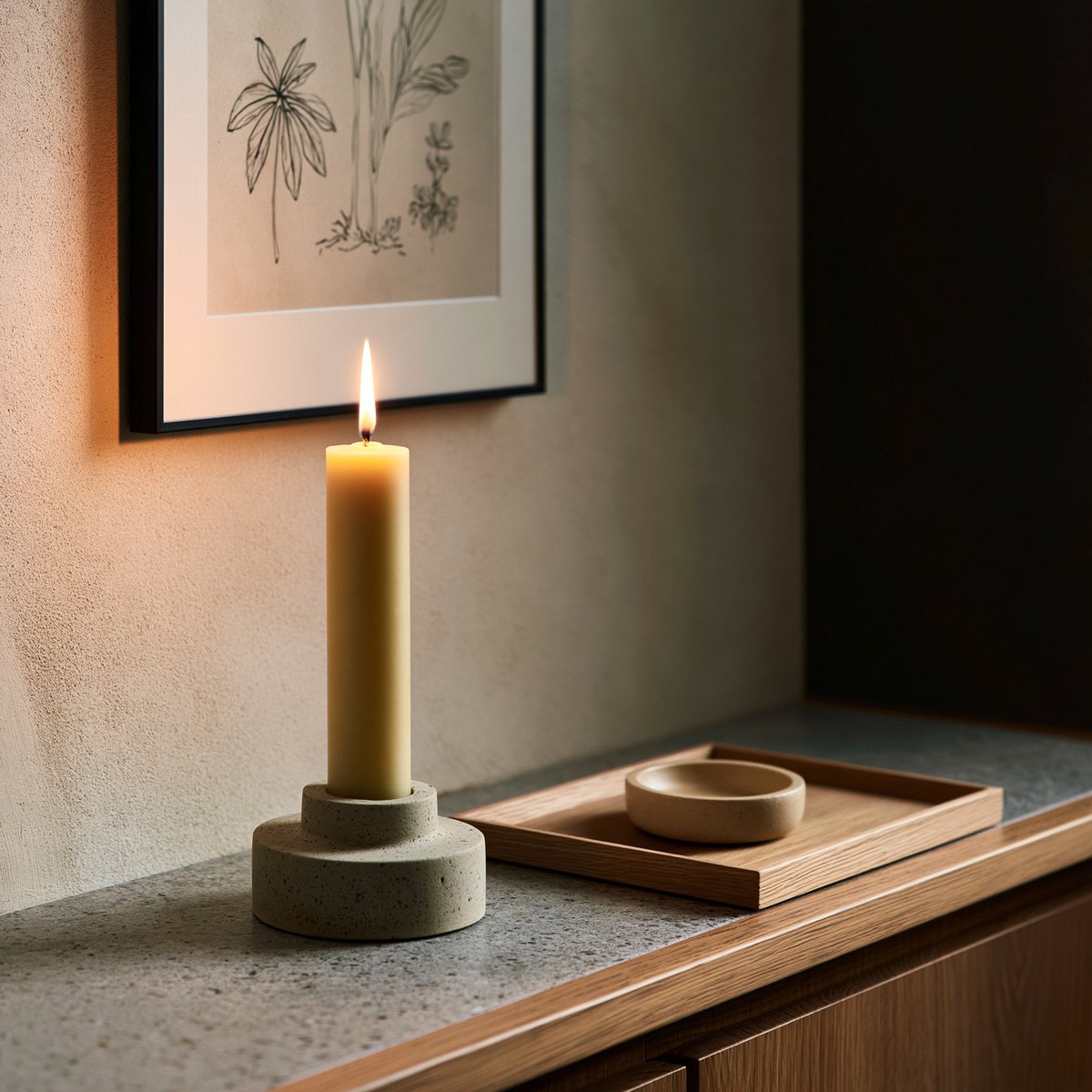
Bring one candle into the routine, not six. A single taper lit at the same point each evening is a marker. Six is a display, and a display gets skipped on the tired days, which are the days it was for.
Set the mornings back by ten minutes. The light arrives later than it did in June, so a routine built in high summer is already running against the room. Shifting it now, while the change is small, avoids the harder adjustment later.
There is a week in late August when the light drops to a lower angle and the room notices before you do. That week is the whole reason to do this early rather than well.
Starter Pieces
Four pieces create most of the shift. If you do nothing else this month, do these, in this order.
- A heavier-weave throw, because weight is what the eye reads first.
- A second low light source, so the overhead fixture can stay off after seven.
- Dried stems in a stoneware vessel, which hold for months rather than days.
- A lidded basket, so what leaves the room actually leaves it.
Everything after that is refinement. The material and scale to look for in each, and the rest of the list, below.


What Helps It Come Together
Ten pieces in total, grouped by the job they do. The four starter pieces appear here again with the detail to shop by.
For the light and the evenings
- A second low light source. A small lamp at seated height for the corner that goes dark first, warm bulb, dimmable if the fixture allows. Two modest pools of light beat one bright overhead every evening of the next four months.
- Tapers with a weighted holder. Solid brass or stone, low enough to sit under eye level on a table. Unscented is the safer choice in a room you sit in for hours.
- A lined curtain panel or a heavier drape. Weight at the window is the least visible change on this list and the one that most alters how a room holds warmth and sound as the evenings lengthen.
For the surfaces you use
- A heavier-weave throw in a warm neutral. Brushed wool or a thick linen with enough body to hold a fold over the arm of a chair. Oat, clay or soft charcoal rather than a pattern; the weight is doing the work, not the print.
- Dried stems in a stoneware vessel. Seed heads, wheat, or one bare branch in a matte, narrow-necked vase, heavy enough not to tip, in a glaze that absorbs light rather than catching it.
- A cushion cover in a deeper neutral. One or two, in a woven texture rather than a print, a shade down from the base tones already in the room. This is where a late summer home reset shows up first, because it sits at hand height.
- A wide-lipped stoneware mug. Heavier than the summer glass it replaces, matte on the outside, warm to hold. Small, but it is the object attached to the hour you are trying to protect.
For the way the day runs
- A lidded basket for what comes out of rotation. Wide-weave seagrass or rush, big enough for a folded quilt and the lightest cushion covers. The lid matters more than it sounds; without one the basket becomes visible storage and stays in the room.
- A wool or jute rug layered where a room begins. At a threshold or under the front legs of a chair. It softens sound as much as it warms the floor, and sound is half of why a room feels settled.
- A hook rail or a single peg by the door. One fixed place for the first jacket of the season, before the chair back becomes that place and stays it until March.
The Simplified Version
Change the light, change nothing else
Move the room off the overhead fixture at a fixed hour. Two low warm lamps, same time each evening. No purchase, and it delivers most of the seasonal feeling on its own, because light is the cue the body reads without being asked.
Subtract before you add
Fill the lidded basket first. Take out the lightest textiles, the summer table linen, the rush mat, and put them away. A room with less in it reads as more considered immediately, and it tells you what the space is actually missing.
One weight, one dry thing
The smallest complete version of this is two objects: one heavier textile visible from the doorway, and one dry arrangement that will hold until November. Together they change what the room says without changing what it is.
One Easy Place to Start
Start with the lamps tonight, because it is free, it takes ten minutes, and it is the change that makes every later one look intentional rather than sudden. The rest of the season has time in it, which is the point of doing this now instead of in October. If the room needs clearing before any of this will land, start with a five-minute tidy that resets the whole room. If it is the routine rather than the room that has drifted, read how to build a ritual you won’t abandon.
If you want a calm, structured way to reset the whole rhythm before the season turns, the free Reset Guide walks through it in about fifteen minutes. You'll find it just below.