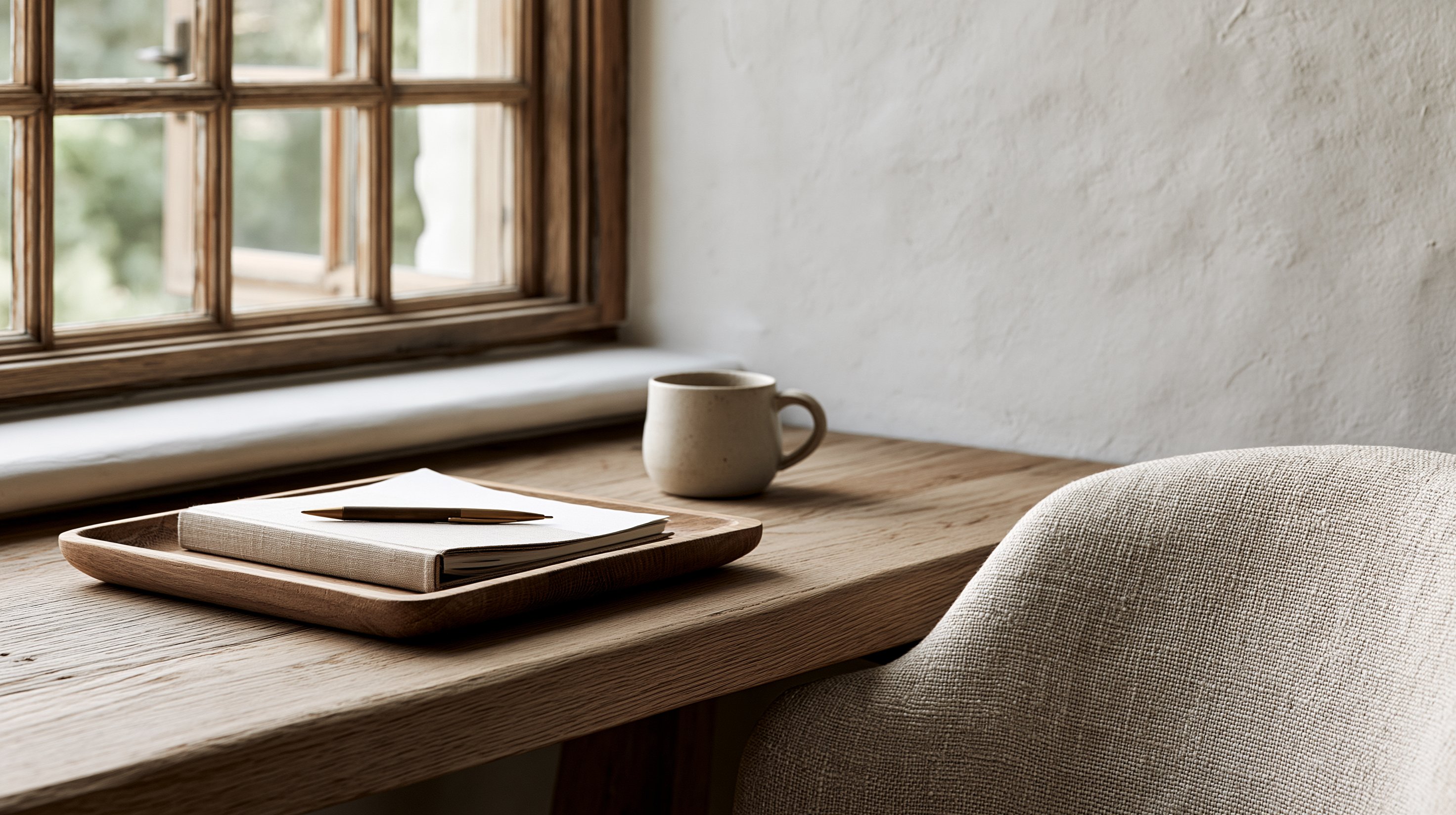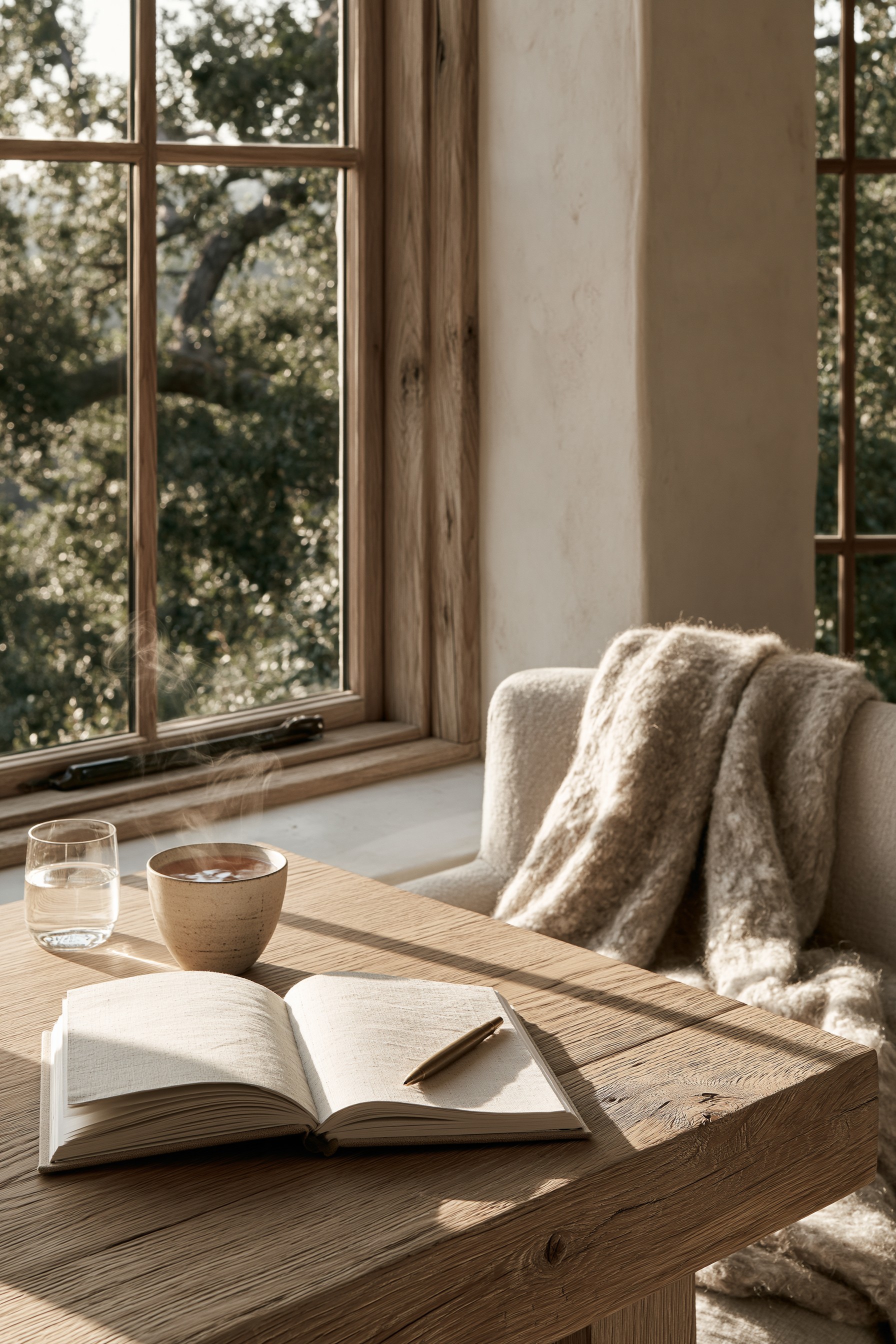

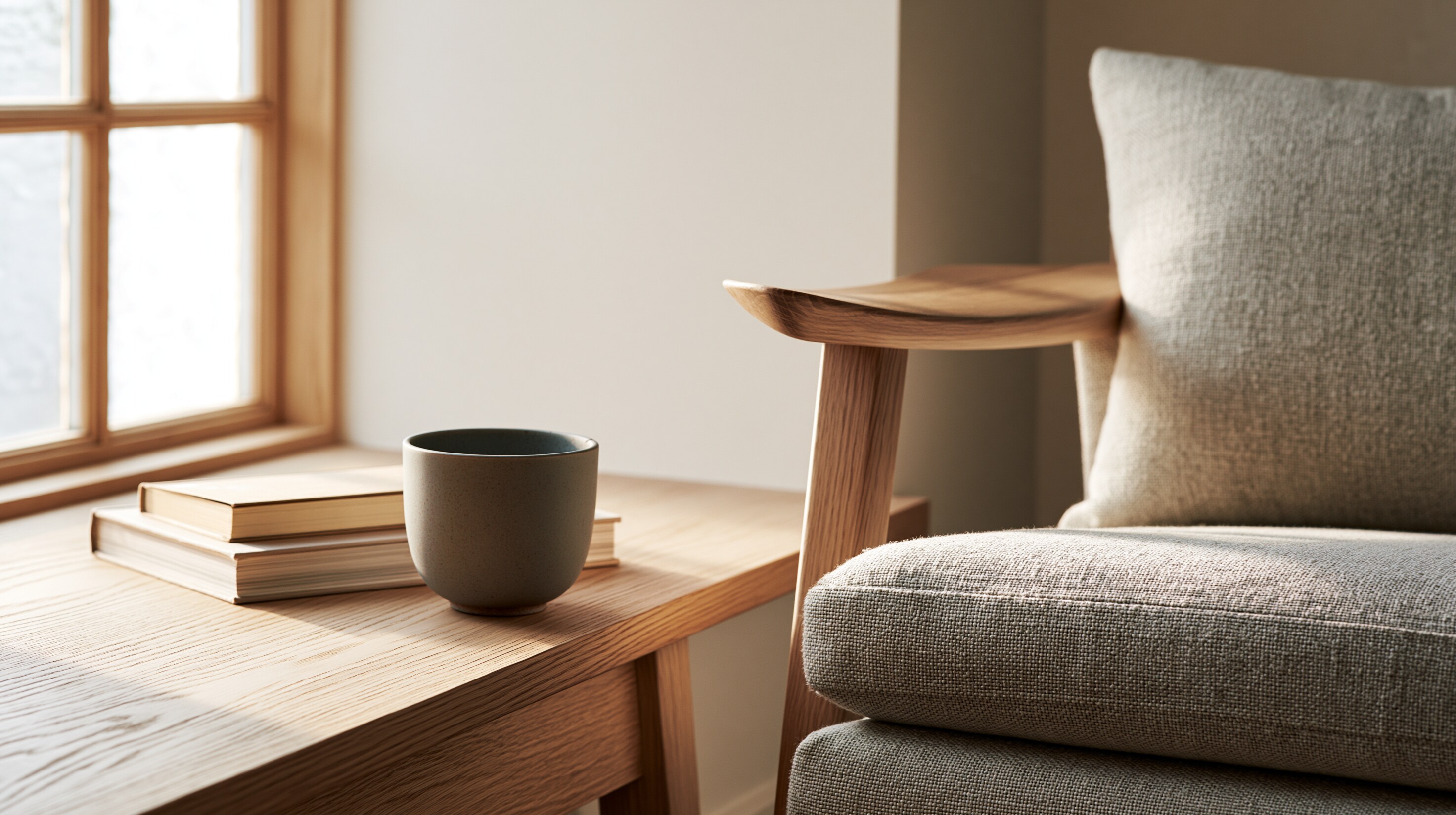
Walk into a room you have lived in for years and you stop seeing it. The pile by the door, the chair that collects clothes, the surface that fills up no matter how often you clear it. You read past these things the way you read past your own handwriting. But your attention does not stop registering them. It keeps quietly taking them in, and from them it draws a steady, wordless conclusion about who lives here and how they tend to be.
That conclusion matters more than it seems. Long before you decide anything on purpose, your surroundings are suggesting an answer to a question you are always half-asking: what kind of person am I. A home full of half-finished intentions tells you one thing. A home that quietly holds the shape of the life you want tells you another. Neither is a verdict. Both are cues, and cues can be changed.
Your Home Is Always Making an Argument
The mind is built to take shortcuts about identity, and the nearest evidence it reaches for is the environment. This is not mysticism. It is how attention works. The brain treats whatever is repeatedly in front of you as information about what is normal and true, including what is normal and true about you. A space scattered with abandoned projects makes a quiet case that you are someone who starts and does not finish. A calm, tended corner makes the opposite case just as quietly.
You absorb that case every day without arguing back, because most of it never reaches words. This is why willpower alone rarely changes how you feel at home. You are not in a debate with your space. You are being shaped by it, slowly, in the background, every time you walk through the room.
The Gap Between Who You Are and Who You're Becoming
Most of us are quietly in motion toward some version of ourselves. Calmer. More focused. More at rest. More like the person who has their evenings in hand. The trouble is that the home often lags behind the intention. It still reflects an older self, the one who was busier or more scattered or simply had different priorities, and every day that gap is on display, it makes the change feel further away than it is.
Closing the gap does not require becoming someone new first and earning the room later. It works the other way around. When the space begins to reflect who you are becoming, it starts cueing the behavior that matches, and the behavior makes the identity feel real. You act a little more like the calm version of yourself because the room around you already assumes that person is here.
Shaping a Space That Points Forward
You do not redesign a whole home to do this. You change a few cues, on purpose, and let them carry the message. Begin with the surfaces and corners you actually see most: the first thing your eyes land on in the morning, the view from where you sit, the entry you pass through every day. These are the spots doing the quiet arguing, so they are the ones worth shaping first.
Ask a different question of each one. Not is this tidy, but what does this corner assume about me. If the answer is someone rushed, or someone who will deal with it later, change the assumption. Clear the surface the becoming-version of you would keep clear. Set out the one object that belongs to the life you are moving toward, the book, the cup, the empty chair that says rest happens here. Remove the one thing that keeps making the old argument. Small, specific, and visible beats sweeping and abstract every time.
Let the Room Hold the Identity for You
The quiet relief in all of this is that you do not have to hold the new self together by effort alone. A well-shaped room holds some of it for you. It remembers who you are becoming on the mornings you forget, and it cues you back toward that person without a word. Belief in the change grows the ordinary way, by watching yourself live it, and a space arranged around the person you are growing into gives you that evidence daily.
Start with one corner this week. Choose a spot you see often, decide what you want it to assume about you, and change one thing so it does. Then notice, over the next few days, how a little differently you move through it.
If you would like a gentle, room-by-room way to begin, our free Reset Guide walks through the small environmental shifts that help a home quietly point you toward the person you are becoming. It is linked below whenever you are ready.