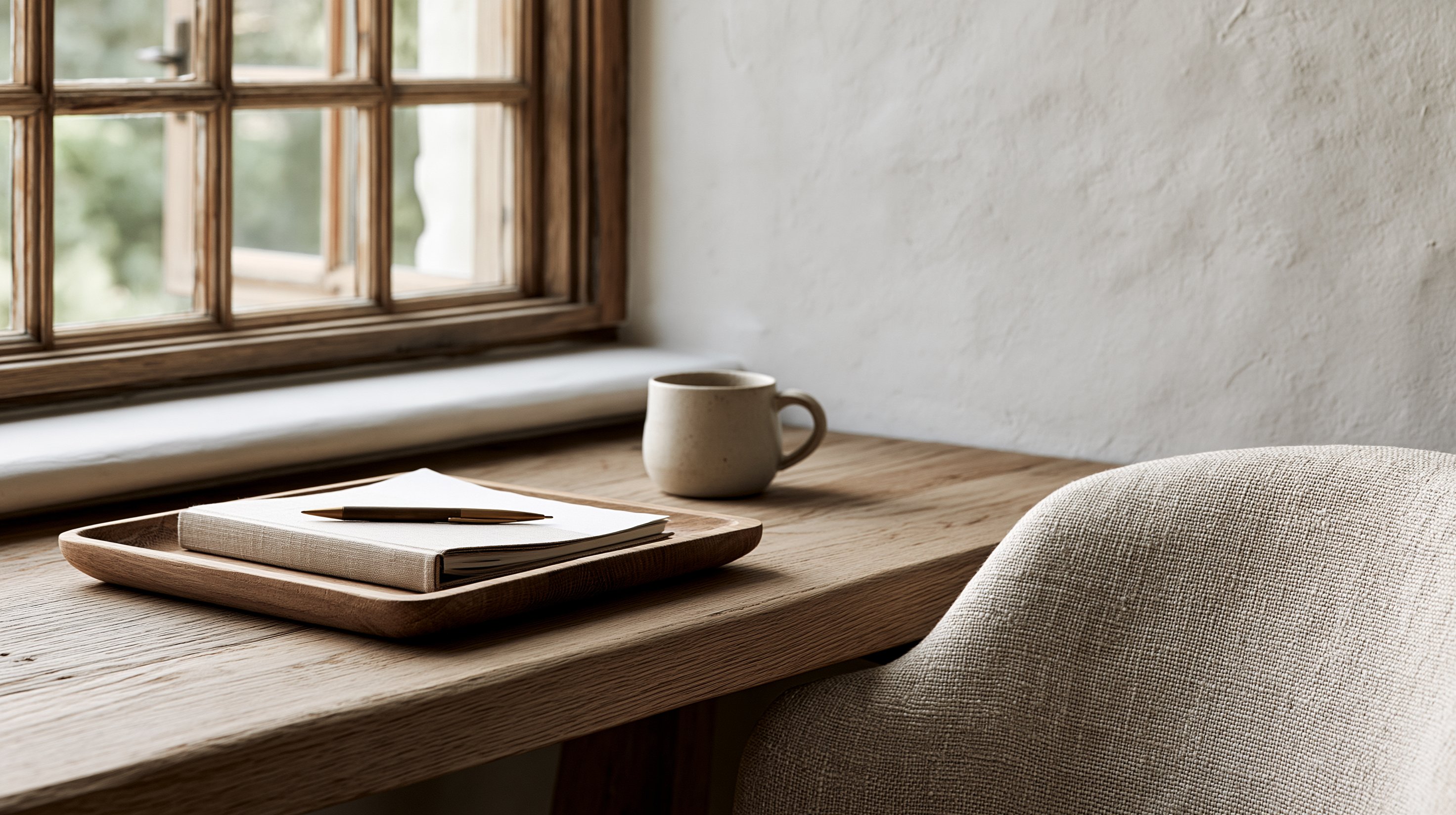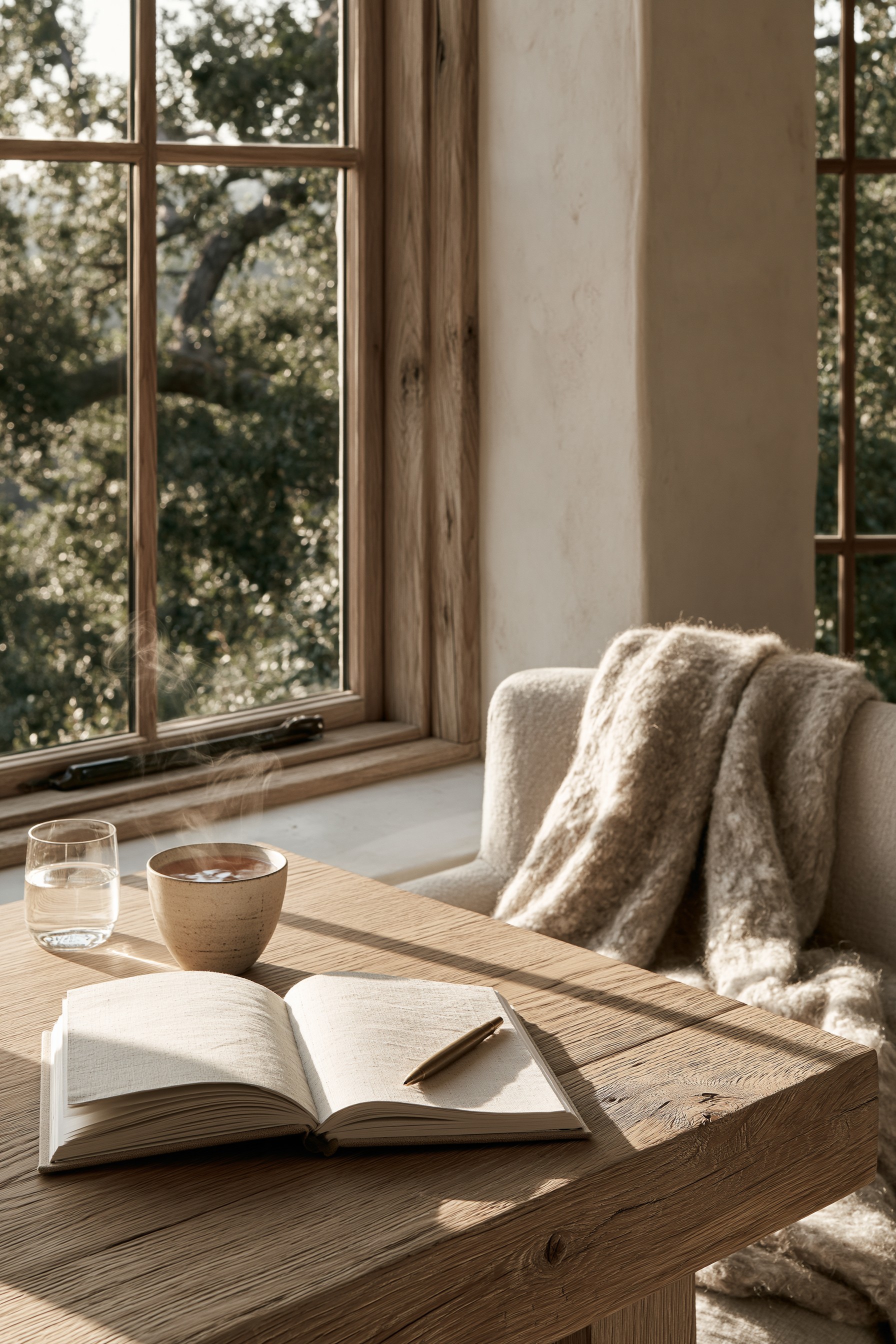

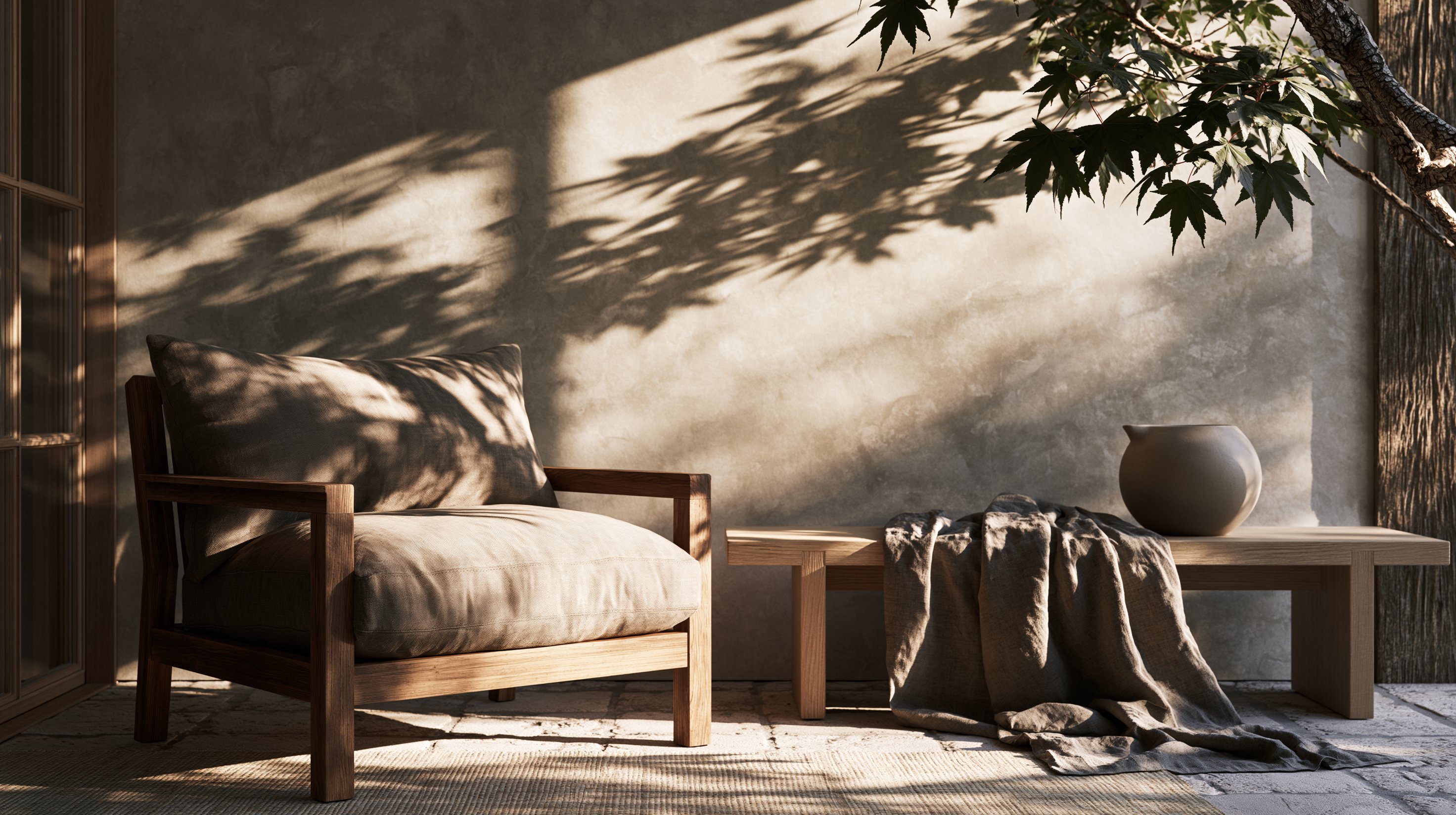
Walk into your home as if you were a guest and look around slowly. The stack by the door, the chair that collects clothing, the one corner that always feels good. None of it is random. A home is a record of its inhabitant, and it speaks in a quiet, persistent voice about what is working in your life and what is asking for attention.
The Mirror Direction
Spaces reflect states. A season of overwhelm shows up as surfaces that filled themselves. A period of avoidance shows up as the room you stopped entering. The drawer that will not close is rarely about the drawer.
This is not a judgment, it is information. Reading a room honestly is one of the gentler ways to read yourself, because the room holds the evidence without holding an opinion.
The Shaping Direction
The relationship runs the other way too, and this is where it gets useful. Environments cue behavior and mood continuously: psychologists who study attention have shown that visual clutter competes for working memory, while ordered, intentional space lowers the background hum of stress.
Which means the room is never neutral. It is either gently taxing you or gently supporting you, all day, in increments too small to notice and too constant to escape.
How to Listen
Ask the house three questions, room by room, without rushing the answers.
Where do I naturally settle, and what does that corner have that the others lack. Usually it is light, a comfortable seat, and a clear surface, which is a recipe you can repeat.
What do I avoid, and what task or decision is hiding there. The unentered room almost always holds a postponement.
What fills up fastest, and what does that flow say about my days. The kitchen counter that buries itself by Wednesday is describing your week's pace more accurately than your calendar does.
Answer With the Room
Once you hear it, respond in kind, with the room rather than with resolutions. Clear the avoided room's surface and the postponement loosens. Give the overflow spot a tray and a rule. Repeat the good corner's recipe somewhere else.
Small physical answers to quiet spatial questions (this is the whole craft of it).
The Ongoing Conversation
A home is never finished saying things, because you are never finished changing. The practice is simply to keep listening, a walk through the rooms once a season, asking what is being said now.
The house has been talking the whole time. It is a relief, honestly, to start answering.